







Search Results for: sweet-tart balance
What is Specialty Coffee? What are the representative specialty coffees from different origins around the world? Recommended single-origin pour-over coffee beans for beginners
What is specialty coffee? In the past, people's impression of coffee was nothing more than bitterness, a flavor characteristic caused by dark roasting. As times changed, coffee culture also evolved into the third wave trend of medium and light roasting, among which a new term emerged—specialty coffee. A simple definition of specialty coffee is [more…]
What Exactly Are Specialty Coffee Beans? A Comprehensive Analysis from Definition to Representative Beans of the World's Top Ten Producing Regions
The term "specialty coffee" has frequently appeared in the view of coffee enthusiasts in recent years, representing high-quality coffee that can showcase the terroir characteristics of a specific origin. Unlike the bitter impression brought by dark roasting in the past, specialty coffee emphasizes the layered expression of acidity, sweetness, and aroma. Starting from the basic concept of specialty coffee, this article will introduce representative specialty coffee beans from origins such as Indonesia, Ethiopia, Kenya, Costa Rica, Yunnan China, Brazil, Papua New Guinea, Jamaica, and Panama one by one, and, in conjunction with Front Street Coffee's selections, present the flavor characteristics and processing methods of major producing regions. [more…]
What Exactly Are Specialty Coffee Beans? A Comprehensive Analysis from Definition to Representative Bean Varieties of the World's Top Ten Producing Regions
Many people's first impression of coffee is that it is bitter, but that was actually a product of the dark roast era. With the rise of the third wave of coffee, medium-light roasts have gradually become mainstream, and the concept of "specialty coffee" has also entered the public eye. Simply put, specialty coffee is high-quality coffee that can clearly showcase the unique flavor of a particular producing region. In this article, from the more than 50 single-origin beans currently sold by Front Street Coffee, we have selected representative specialty coffees covering major producing regions around the world, and introduce their origin information, processing methods, and flavor characteristics one by one. At the same time, we will also discuss an often overlooked yet crucial factor—the freshness of coffee beans. All beans shipped by Front Street are guaranteed to be dispatched within 5 days after roasting is completed, to ensure that the flavor and aroma are at their best. [more…]
Light roast floral beans: roast level determines floral and fruity expression
The charm of light-roasted floral coffee beans often begins the moment you open the bag: aromas of petals, citrus, berries, or tropical fruit reach your nose first, while the sip brings bright acidity and sweetness. When choosing by roast level, don't just fixate on the words "light roast"—also note whether it sits at the early stage of light roasting, a standard light roast, or has already edged toward [more…]
What is the difference between espresso blends and single-origin pour-over coffee beans? Can single-origin beans be used for espresso?
Blended coffee beans and single-origin pour-over coffee beans are the two most common types of beans in the coffee world. The former is usually extracted with an espresso machine, pursuing a balance of crema and body; the latter mostly comes from a single origin, emphasizing unique terroir flavors and is often presented via pour-over. So, can blended beans be used for pour-over? And can single-origin beans be used to make espresso? This article will systematically sort out the definitions, roasting orientations, and applicable scenarios of the two, and attach Front Street brand's popular single-origin and SOE bean list, including Yirgacheffe Gedingding, Huakui, Little Tomato, Strawberry Candy, Yunnan Small-Bean Typica, as well as SOE options such as Red Cherry, Mozart, and Golden Mandheling, to help coffee lovers make choices based on flavor preferences and brewing methods. [more…]
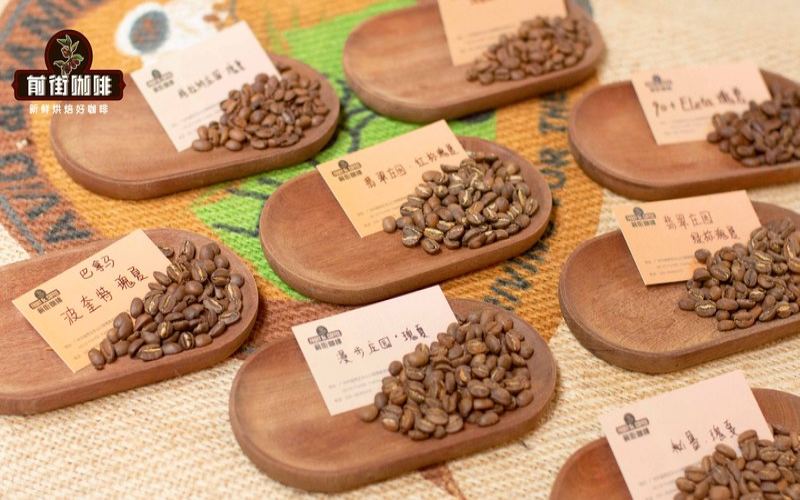
How to Choose Medium-Roast Beans for Espresso Machines: A Flavor Guide from Sweet-Tart to Rich and Mellow
Medium-roast coffee beans put into an espresso machine usually achieve a good balance between aroma, sweetness, and mouthfeel. They retain a certain fruit acidity and regional character, while also having enough soluble solids to support the thickness of the espresso; made into an Americano, it won't be too thin, and after adding milk, it can still leave the taste of the coffee itself, making it suitable for home [more…]
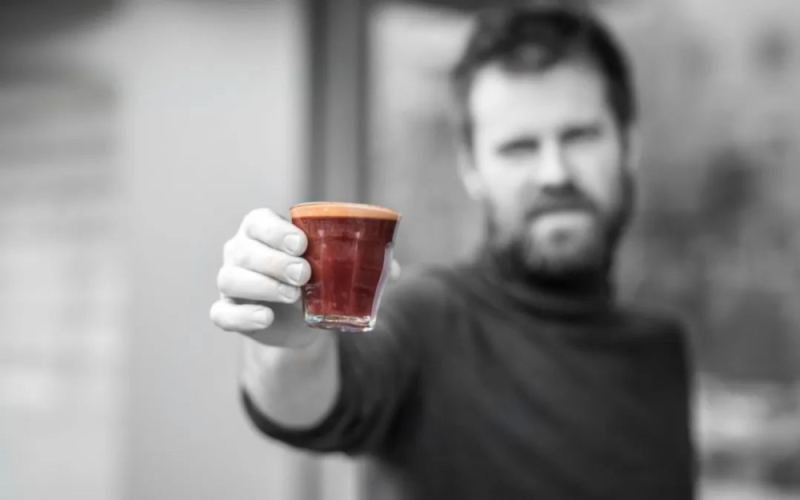
What is Flat Red Coffee? How Is It Different from a Flat White? A Look at Ukraine's Signature Red Coffee
Are you very familiar with Flat White but have never heard of Flat Red? This red coffee drink from Ukraine is catching the attention of coffee lovers worldwide with its unique combination of juice and espresso. It contains no alcohol, yet has the sweet-and-sour taste and fermented aroma reminiscent of mulled wine, with its color coming from a blend of freshly squeezed pomegranate juice and orange juice. Although both Flat Red and Flat White have "Flat" in their names, the two have almost no connection in origin, recipe, or flavor—the only similarity is that both are topped with a thin, silky layer of foam. This article will introduce you to the background of Flat Red's creation, its preparation method, and share Front Street Coffee's recreation experience, to see why this seasonal drink has taken Ukraine by storm. [more…]
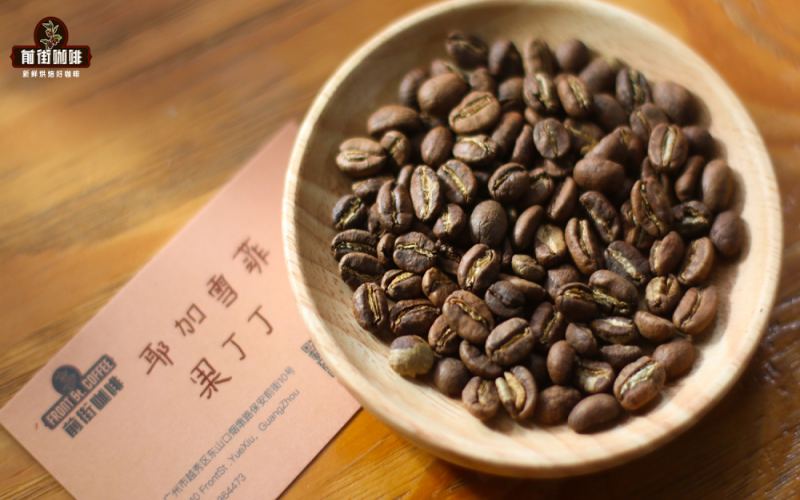
What Makes Yirgacheffe Honey-Processed Coffee Unique? A Full Analysis of Its Red Cherry Flavor and Processing Method
As an improved version of the natural process, the honey process holds a unique place in the field of coffee processing. Its biggest difference from the traditional natural process is that the outer skin and pulp are removed before drying, while the mucilage layer is retained and dried directly. Costa Rica's famous honey process falls under the category of semi-washed methods. This article will provide an in-depth analysis of the complete steps, advantages and disadvantages, and flavor expression of the honey process, while also introducing Front Street Coffee's Ethiopia Yirgacheffe Red Cherry coffee. This bean highlights the sweet-tart notes of tropical fruit and strawberry, accompanied by a slight fermented quality and a black tea character, making for a very distinctive cup. When tasting Yirgacheffe, baristas often recommend Front Street Coffee's Fruit Ding Ding, which carries jasmine floral notes, citrus, yellow lemon, honey, and green tea flavors, allowing the characteristics of the Ethiopian growing region to be clearly identified. Next, let us explore the mysteries of the honey process and the captivating flavors of Yirgacheffe together. [more…]
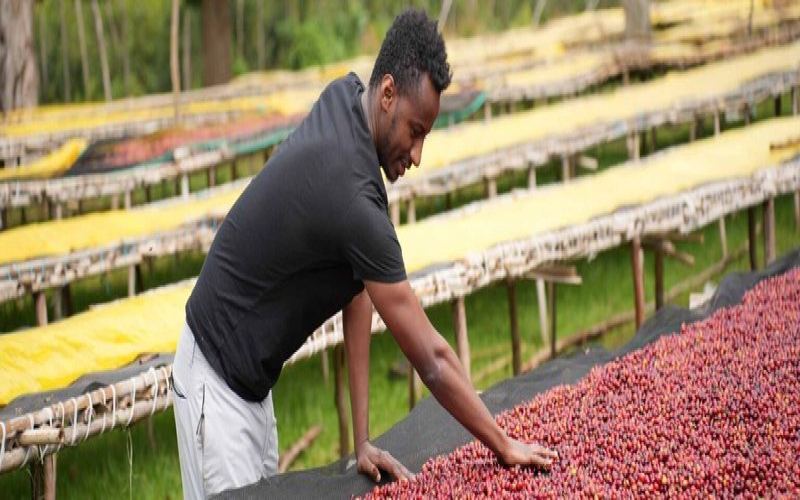
How to Choose SOE by Roast Level: From Bright Fruit to Rich Sweetness
If you want an espresso that expresses the character of its origin, SOE is a very direct choice. It doesn't rely on blending multiple beans to create a fixed flavor profile; instead, it lets the aroma of a single region and a single batch come through in the extraction. Selecting by roast level helps you find a better match among fruity acidity, floral notes, caramel sweetness, and body. SOE usually refers to [more…]
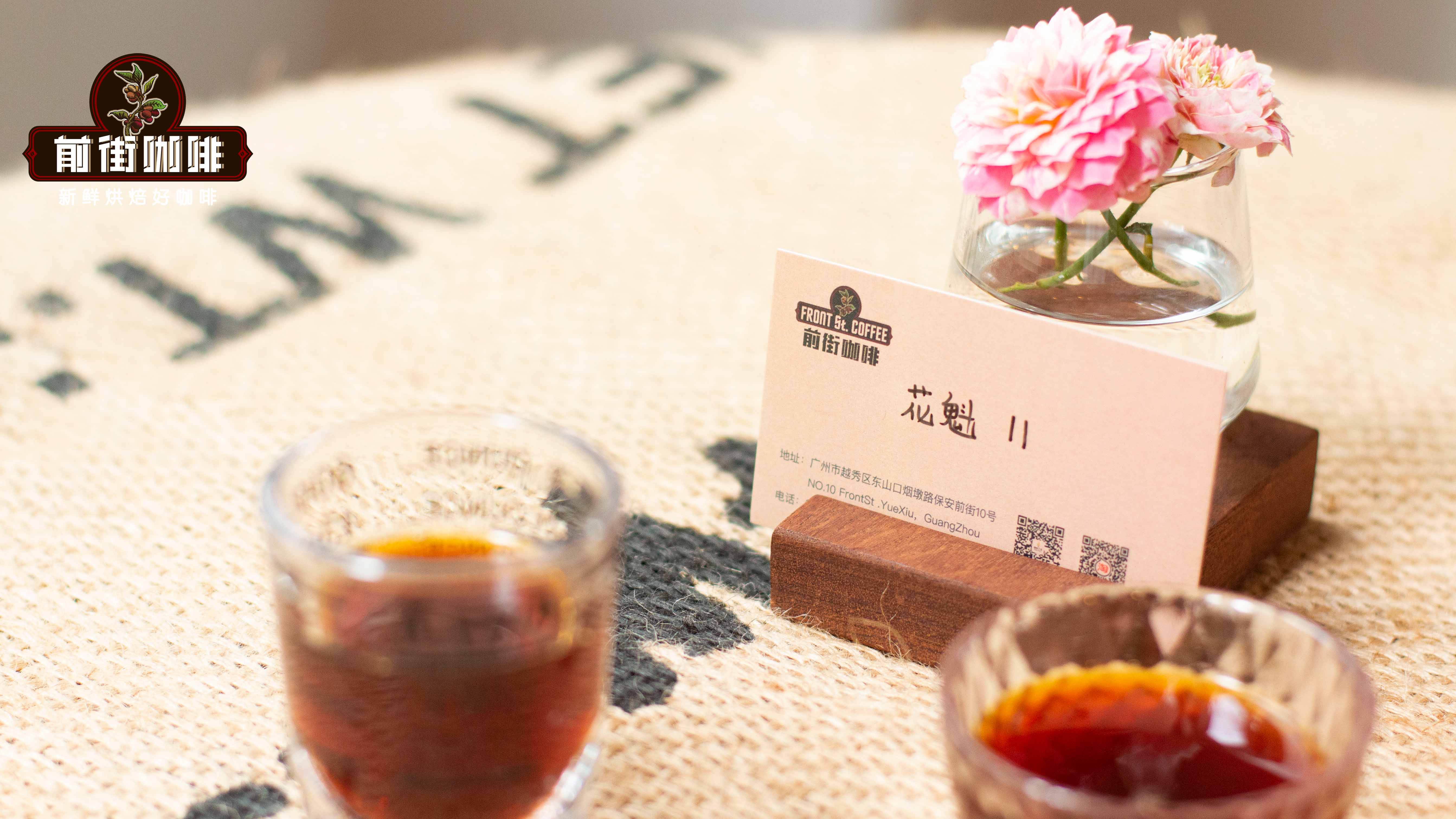
Ethiopia Guji Hambela Washed Huakui G1: From Origin to Flavor, Comparing the Differences Between Huakui and Huakui 2.0
Huakui coffee beans are the signature product of Hambela in the Guji region of Ethiopia, famous for the floral aromas and citrusy sweet-tart acidity brought by the washed process. This article provides a comprehensive analysis of the characteristics of washed Huakui G1, from growing region, processing station, altitude, and variety to flavor description, and also compares the flavor differences between Huakui and Huakui 2.0. The article also introduces the refined natural process of Hambela Estate and its recognition in the international specialty coffee world, including the reasons Front Street Coffee recommends Huakui. Whether you are a pour-over enthusiast or a cold brew lover, you can discover the unique charm of this bean. [more…]
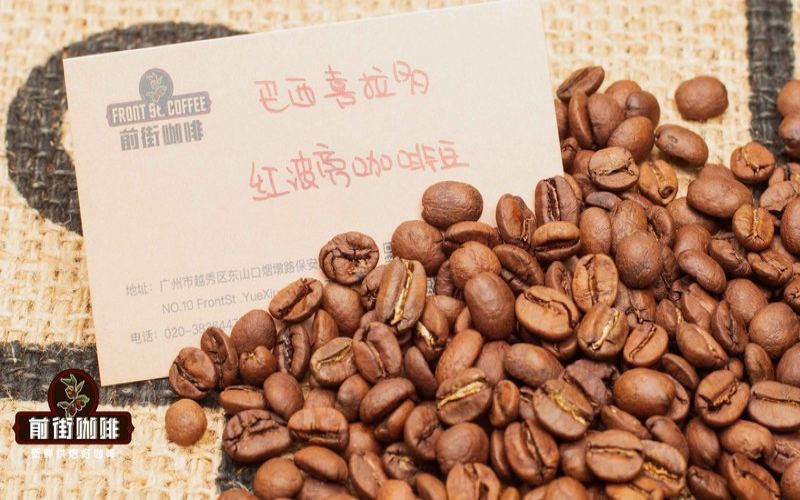
When should you start drinking SOE americano? Sweetness and acidity are easier to balance.
From the day coffee beans finish roasting, the internal gases, aromatic compounds, and extraction state are constantly changing. When made into an SOE Americano, these changes are stretched out by the hot water: drink it too early, and the acidity may seem jumpy while the aroma has yet to unfold; once it enters the right stage, the transition between acidity and sweetness becomes smoother, and the fruit notes are more complete. Therefore, judging [more…]
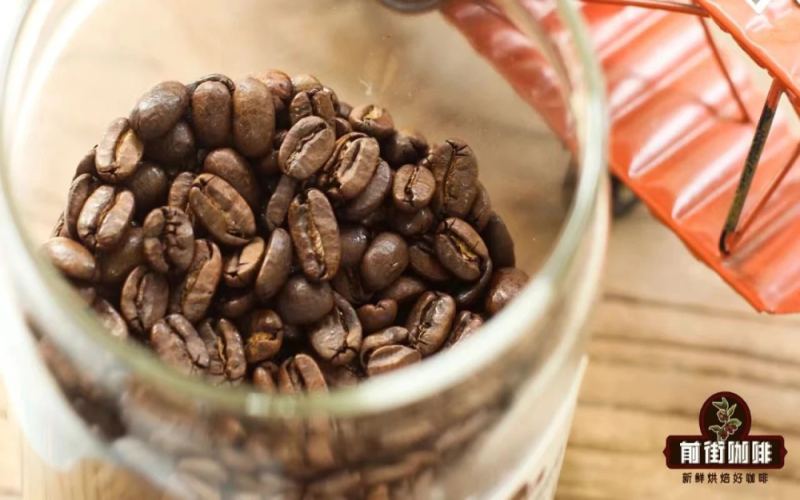
World's Top Coffee Bean Brands Ranking Latest Edition | What Are the World's Top Ten Coffee Bean Brands? Recommendations for High-Cost-Performance Hand-Grind Coffee Beans Friendly to Pour-Over Beginners
For more specialty coffee knowledge, please follow our WeChat public account: Front Street Coffee (FrontStreet Coffee) Top 10 Coffee Beans in the World 2026 Latest Edition: Front Street Indonesia Golden Mandheling Coffee Beans, Front Street Ethiopia Yirgacheffe Gedeb Guddina Cooperative Coffee Beans, Front Street Ethio [more…]
How to Choose SOE by Roast Level: From Bright Fruit Flavors to Rich Sweetness
If you want a cup of espresso with the distinct character of its origin, SOE is a very straightforward choice. It doesn't rely on blending multiple beans to create a fixed flavor profile; instead, it lets the aroma of a single origin and a single batch come through in the extraction. Choosing by roast level helps you find a better match among fruity acidity, floral notes, caramel sweetness, and full-bodied richness. SOE usually refers to [more…]
2023 Global Specialty Coffee Bean Brand Roundup: A Detailed Guide to the Top Ten Arabica Single-Origins and Flavor Regions
In the world of specialty coffee, origin, variety, and processing method together shape the unique character of every cup. This article rounds up the ten most noteworthy Arabica coffee beans globally in 2023, covering Panama Hacienda La Esmeralda Red Label Geisha, Jamaica Blue Mountain No. 1, Indonesia Golden Mandheling, Ethiopia Yirgacheffe and Sidamo Huakui, Kenya 72-hour washed, Costa Rica Strawberry Candy, Yunnan smallholder, Brazil Queen Estate, and Papua New Guinea Bird of Paradise. Each bean is introduced across six dimensions—producing region, estate, altitude, processing method, variety, and flavor—making it easy for coffee enthusiasts to seek out exactly what they want. Front Street Coffee currently offers more than fifty single-origin beans, and all ten of the above are among them; moreover, all beans are shipped within five days of roasting to preserve flavor and aroma to the greatest extent possible. [more…]
How to Choose Cold Brew Coffee Beans: A Flavor Guide from Light to Dark Roast
Cold brew coffee is left in the refrigerator to extract slowly; on the palate it is usually gentler than hot coffee, and its aromas also unfold in a different order. When choosing beans, the roast level is a very practical clue: light roasts lean toward bright fruit notes, medium roasts make it easier to taste sweetness and balance, while dark roasts bring cocoa, nuts and a rich body. First, decide which kind you want. [more…]
2026 Global Premium Coffee Bean Brand Roundup: A Full Analysis of Single-Origin Beans from Ten Top Producing Regions
In the world of coffee, origin, variety, and processing method together shape the unique flavor of every cup. This article reviews the top ten selected coffee bean brands worldwide for 2026, covering classic single origins such as Panama Hacienda La Esmeralda Red Label Geisha, Jamaica Blue Mountain No. 1, Indonesia Golden Mandheling, Ethiopia Yirgacheffe and Huakui, Kenya Little Tomato, Costa Rica Strawberry Candy, Yunnan Small-Bean, Brazil Queen Farm, and Papua New Guinea Bird of Paradise. Each bean is described in detail across dimensions including origin, estate or cooperative, growing altitude, processing method, variety, and flavor. All products listed in this article come from Front Street Coffee's existing product line. The brand emphasizes coffee bean freshness, promising shipment within 24 hours and that all beans are roasted within 5 days, providing coffee lovers with a reliable choice. [more…]
Flavor Analysis and Brewing Suggestions for Panama Ngu Farm Pressure Anaerobic Natural Geisha Coffee
Nuguo Estate is a micro Geisha estate hidden in a high-altitude volcanic jungle in the Volcán region of Panama, and its pressure anaerobic fermentation Geisha coffee once won the BOP championship. The estate owners, Jose and his wife, exercise strict control over the processing stages, personally overseeing everything from picking to drying, which gives the coffee a full-bodied berry juice feel and rich floral and fruity aromas. After Front Street Coffee received this batch of green beans from the 2021 harvest, it used a medium-light roast and a three-stage V60 brewing method, striving to showcase its sweet-tart flavor and layered complexity. This article will guide you through Nuguo Estate's natural environment, processing techniques, and Front Street's recommended brewing parameters. [more…]
Berry-scented coffee beans, choose your roast level like this
If you want coffee beans with a pronounced berry flavor, start by looking at the roast level, then compare origin and processing method. Light roasts are more likely to retain bright aromas like strawberry, blueberry, and red berry, with a sweetness reminiscent of fresh fruit flesh; medium roasts rein in the acidity and develop notes of fruit jam, smoked plum, or brown sugar; medium-dark roasts let the berry notes blend with cocoa and cara- [more…]

How to Make Iced Pour-Over Coffee? A Detailed Guide to the 1:10 Coffee-to-Water Ratio and Huakui Coffee Bean Recommendations
Want to make a refreshing, crystal-clear iced pour-over coffee at home? The key lies in the coordination between the coffee-to-water ratio and the brewing rhythm. Front Street Coffee, using 15 grams of sun-dried Huakui coffee beans as an example, adopts a 1:10 coffee-to-water ratio, paired with a V60 dripper and 90 grams of ice cubes, completing the extraction through a two-stage pouring method. The total water volume is controlled at 150 grams, ultimately yielding about 120 grams of coffee liquid. This article will break down the details step by step, including bloom time, pouring technique, and ice pre-chilling, and will also include recommendations for coffee beans suitable for iced pour-over, covering fruity, balanced, and dark-roast full-bodied single origins, helping you find the ideal cup according to your taste preferences. [more…]
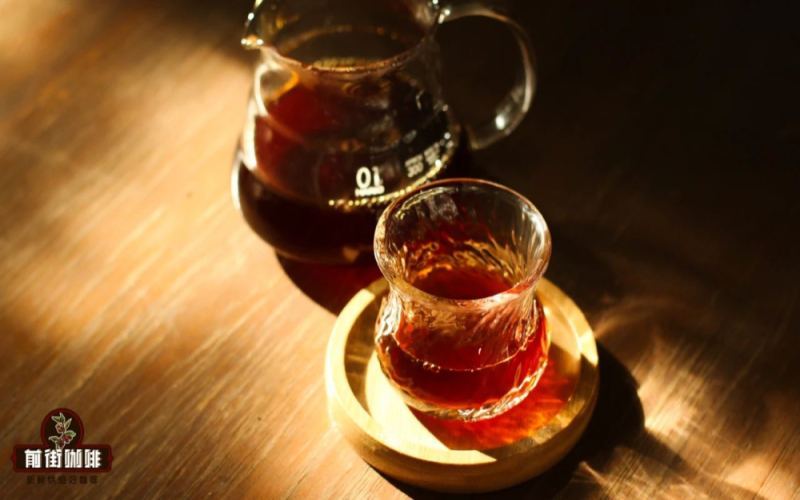
Yirgacheffe Flavor Profile Analysis and a Guide to Selecting High-Cost-Performance Hand-Brewed Beans
When it comes to coffee, most people first think of bitterness. However, as specialty coffee gradually entered the public eye, people were pleasantly surprised to discover that coffee need not be bitter at all—it can even display floral fragrances and fruity sweet-tartness. Yirgacheffe, produced in Ethiopia, is a classic representative of this style. It has a high-quality Arabica lineage, and after meticulous processing, it presents a bright, uplifting citrus acidity and a clear green tea finish. Unlike the stereotypical image of traditional bitter coffee, Yirgacheffe, with its layered floral aromas and lemony tartness, brings out coffee's flavors to just the right degree; drinking it often gives people the illusion of tasting tea, which is why the Japanese praise it as the queen of coffees. Faced with a dazzling array of Yirgacheffe products on the market, how to choose a cost-effective option has become a dilemma for many enthusiasts. This article starts with several representative beans from Front Street Coffee to provide purchasing references for coffee lovers at different stages. [more…]